
Understanding Luck in Casino Games
Luck is often the most significant factor in determining the outcome of casino games. Every spin of the wheel, roll of the dice, or flip of a card can be profoundly influenced by chance. This unpredictability is part of what makes games such as slots, roulette, and blackjack so thrilling. For instance, a slot machine operates on a random number generator (RNG), meaning that no matter how many times you play, the outcome is entirely based on luck rather than skill. Many players enjoy exploring options like no verification casinos that offer diverse gaming experiences, but they can’t strategize or prepare to influence the results, reinforcing the idea that in certain games, sheer fortune reigns supreme.
The role of luck is not merely limited to games of pure chance; it also permeates skill-based games. In poker, while players do employ strategies to outsmart their opponents, luck plays a crucial role in the hands dealt by the cards. A player may possess exceptional skills in bluffing or calculating probabilities, but if the cards do not favor them, they can still lose to less skilled players simply due to luck. This duality of luck and skill creates a dynamic gaming environment that keeps players engaged and coming back for more.
Furthermore, the randomness of luck provides a certain excitement to the gaming experience. Players understand that each game is a new opportunity, combining the thrill of uncertainty with the hope of winning. This balance is what drives many individuals to participate in casino games despite knowing that they may lose. The allure of potentially hitting a big jackpot based solely on chance is a significant draw for many, illustrating how crucial luck is in attracting players to these games.
The Importance of Skill in Casino Games
While luck undoubtedly plays a significant role, skill cannot be overlooked, especially in games where strategy and decision-making are integral. For instance, in blackjack, players can use fundamental strategies and card counting techniques to increase their odds against the house. By learning how to manage their bets and understand probability, skilled players can significantly shift the odds in their favor. This aspect of skill highlights the significance of knowing the game and developing strategies that can lead to more consistent wins.
Moreover, poker epitomizes the blend of skill and psychology, where understanding opponents and making informed decisions can lead to triumph. A skilled poker player can read their opponents, recognize betting patterns, and evaluate when to bet aggressively or fold. The competitive nature of poker is less about luck and more about how well players can apply their skills to outmaneuver others. This makes it a game where having a deep understanding of tactics can lead to higher success rates, highlighting the essential role skill plays in casino gaming.
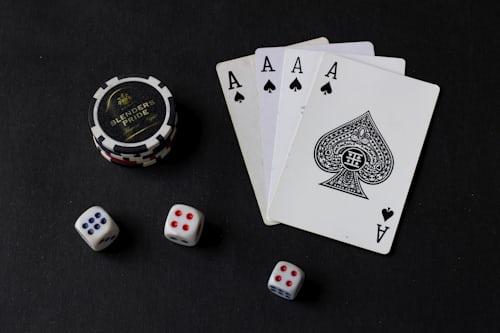
In addition to poker and blackjack, other games like baccarat and craps also have skill components, although they are often overshadowed by their luck-dependent aspects. Understanding the game’s nuances can help players make more informed decisions, enhancing their overall experience and potentially their success. This interplay between skill and luck suggests that while no game is devoid of fortune, honing one’s skills can provide a competitive edge.
The Balance Between Luck and Skill
The relationship between luck and skill in casino games creates a unique balance that appeals to a wide range of players. While pure luck may attract casual players who enjoy the thrill of chance, skilled players often seek games where their expertise can significantly influence outcomes. Casinos have designed various games to cater to both types of participants, ensuring that all players can find something that suits their preferences.
This balance also fosters a diverse gaming community. Novice players may feel comfortable entering a slot machine or participating in a simple game of roulette, while experienced players often engage in more complex strategy-based games that allow them to showcase their skills. This diversity ensures a vibrant atmosphere in casinos, where everyone, regardless of their skill level, can participate and enjoy the games.
Moreover, understanding the balance between luck and skill can significantly impact a player’s approach to gambling. It can lead to healthier gaming habits, where players recognize the limitations of luck and the potential benefits of skill. By acknowledging this balance, players can set realistic expectations for their gaming experience, making it more enjoyable and sustainable in the long run.
The Impact of Casino Game Design
Casino game design plays a pivotal role in shaping the experience of players in relation to luck and skill. Game developers often incorporate elements that enhance both luck and skill to create engaging gameplay. For example, video poker combines the randomness of card draws with strategy, allowing players to influence the outcome by making informed decisions about which cards to hold and which to discard. This amalgamation of chance and skill keeps players invested and encourages them to refine their strategies.

On the other hand, games like slots heavily emphasize luck, with flashy graphics and enticing jackpots designed to attract players. Here, there is virtually no skill involved, and the outcomes are purely determined by chance. The design contributes to the thrill and excitement, as players hope for significant wins while relying solely on fortune, providing a stark contrast to skill-based games.
Understanding how game design affects the interplay of luck and skill can enhance a player’s experience. By strategically selecting the games they play, individuals can align their preferences with their desired balance of skill and luck. This understanding not only enhances enjoyment but may also lead to improved performance in skill-based games, where practice and strategy can yield better results over time.
Conclusion: Navigating the Casino Experience
The casino landscape is a rich tapestry woven with threads of luck and skill. Players must recognize the unique roles each element plays in their gaming experience. While luck might determine immediate outcomes, skill can have a lasting impact, especially in games where strategy and decision-making are key components. Understanding this dynamic can lead to more informed choices in the types of games to play, enhancing overall enjoyment.
As you navigate the world of casino gaming, consider your personal strengths and preferences. Are you drawn to the thrill of luck-based games, or do you find satisfaction in honing your skills in strategic gameplay? By acknowledging and embracing the balance between luck and skill, you can curate a gaming experience that is not only entertaining but also rewarding.
Exploring the nuances of these two elements will enrich your understanding and enjoyment of casino games. Whether you find yourself at the slots or engaged in an intense poker match, remember that both luck and skill contribute to the unforgettable experiences that casinos offer. As you delve deeper, you may discover that the right mix of both elements is what keeps players returning for more, making the casino a captivating place for all.